Shopping for a full project?

Send your list instead

Cneorum tricoccon - Spurge Olive

Add item to quote to see pricing

Cneorum tricoccon is a distinctively tantalizing specimen fondly known as the Spurge Olive. Hailing from the Rutaceae family, this Mediterranean gem shines in its evergreen glory as it matures up to a height of 1. 5 meters. Mesmerizing with an ensemble of glossy, dark green leaves, the Spurge Olive meets the eye with clusters of delicate yellow-green flowers, creating a visual symphony in any landscape. Its resilient nature treads on, braving dry climates with low water needs, making it an effortless choice for rock gardens or arid borders. As the seasons change, this unfading charmer embodies vibrant life with its striking orange-red fruits, ensuring a year-round aesthetic allure. Sunny vistas suit it perfectly, although it is equally skilled in adapting to partial shade. The Spurge Olive's multifaceted beauty and low maintenance character make it an undeniable asset to any horticultural venture.

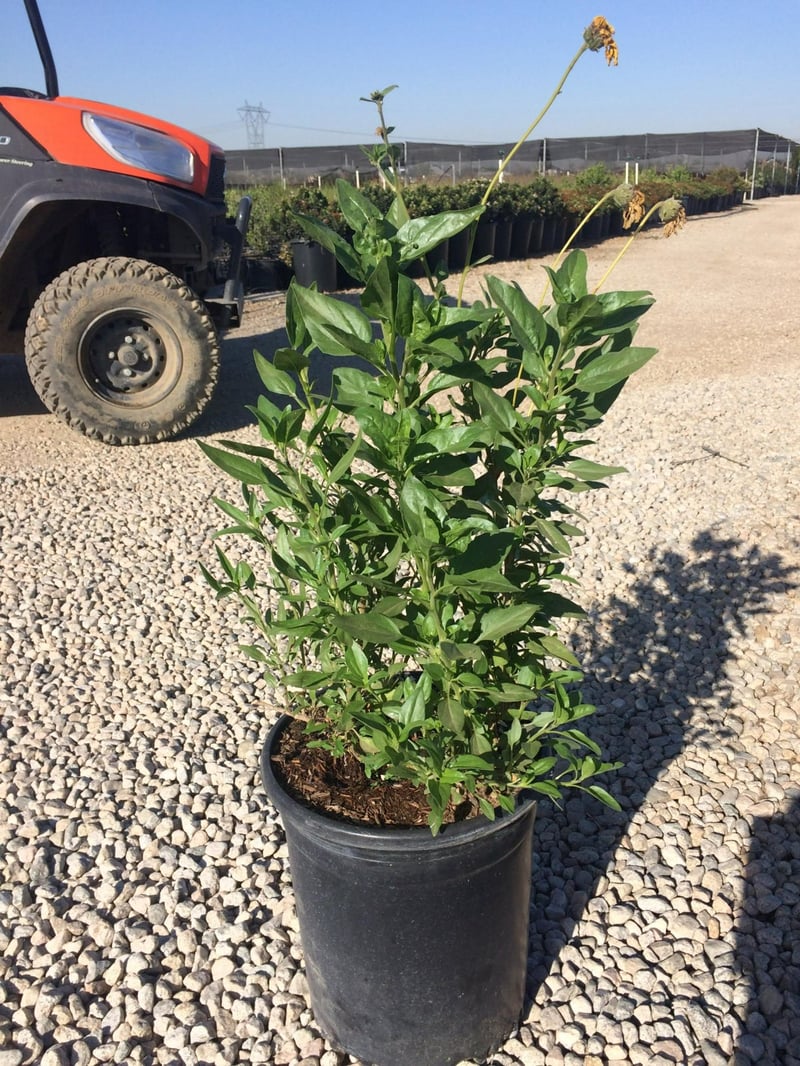
  • Size: Up to 1.5 meters tall
  • Flowers: Yellow-green
  • Foliage: Glossy, dark green leaves
  • Water usage: Low
  • Sun exposure: Full sun, can adapt to partial shade
  • Fruit: Produces vibrant orange-red fruits
  • Commonly purchased with Cneorum tricoccon (Spurge Olive)

    Quercus chrysolepsis (Canyon Live Oak)

    View
    Photo for Encelia californica 'El Dorado' (El Dorado Bush Sunflower)

    Encelia californica 'El Dorado' (El Dorado Bush Sunflower)

    View

    Baccharis x 'Starn' (Starn Baccharis Hybrid)

    View

    Pandorea jasminoides 'Variegata' (Variegated Bower Vine)

    View
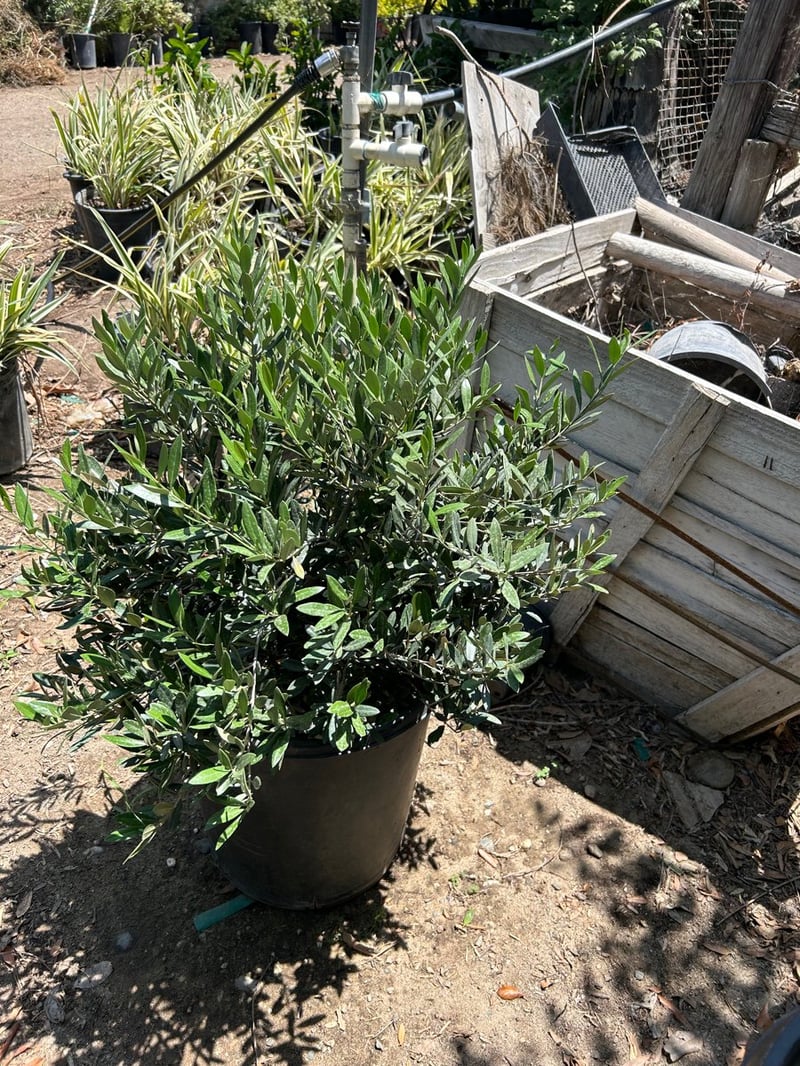
    Photo for Olea europaea 'Montra' (Little Ollie Dwarf Olive)

    Olea europaea 'Montra' (Little Ollie Dwarf Olive)

    View
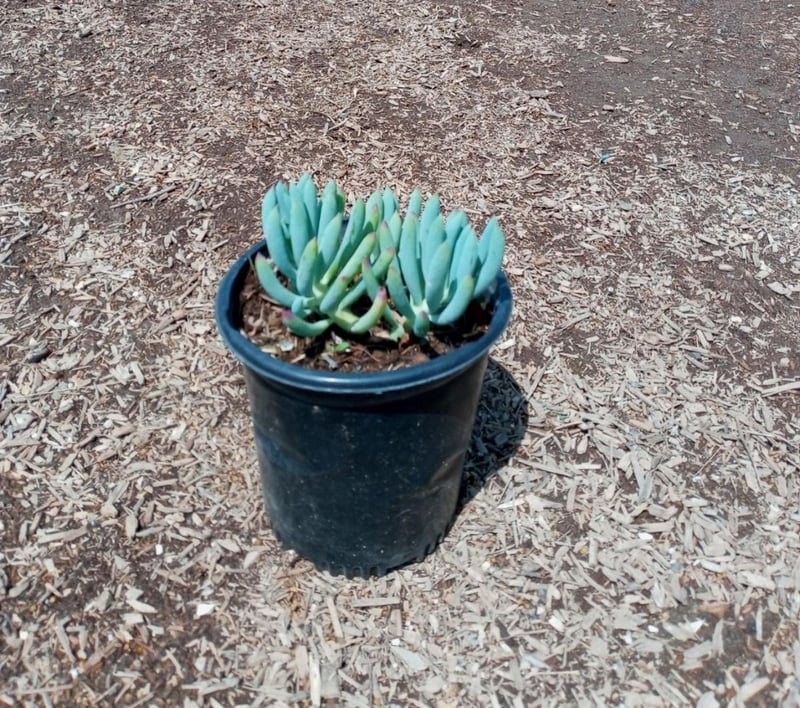
    Photo for Senecio mandraliscae 'Blue Chalk Sticks' (Senecio)

    Senecio mandraliscae 'Blue Chalk Sticks' (Senecio)

    View
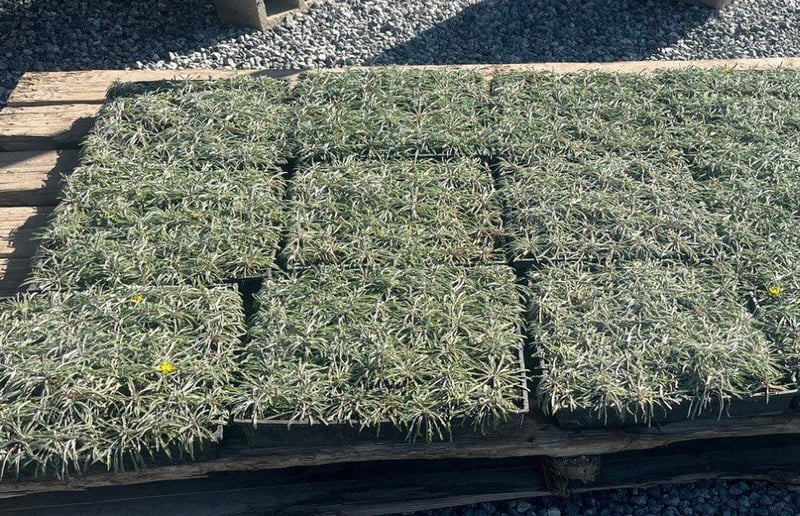
    Photo for Dymondia margaretae (Silver Carpet)

    Dymondia margaretae (Silver Carpet)

    View
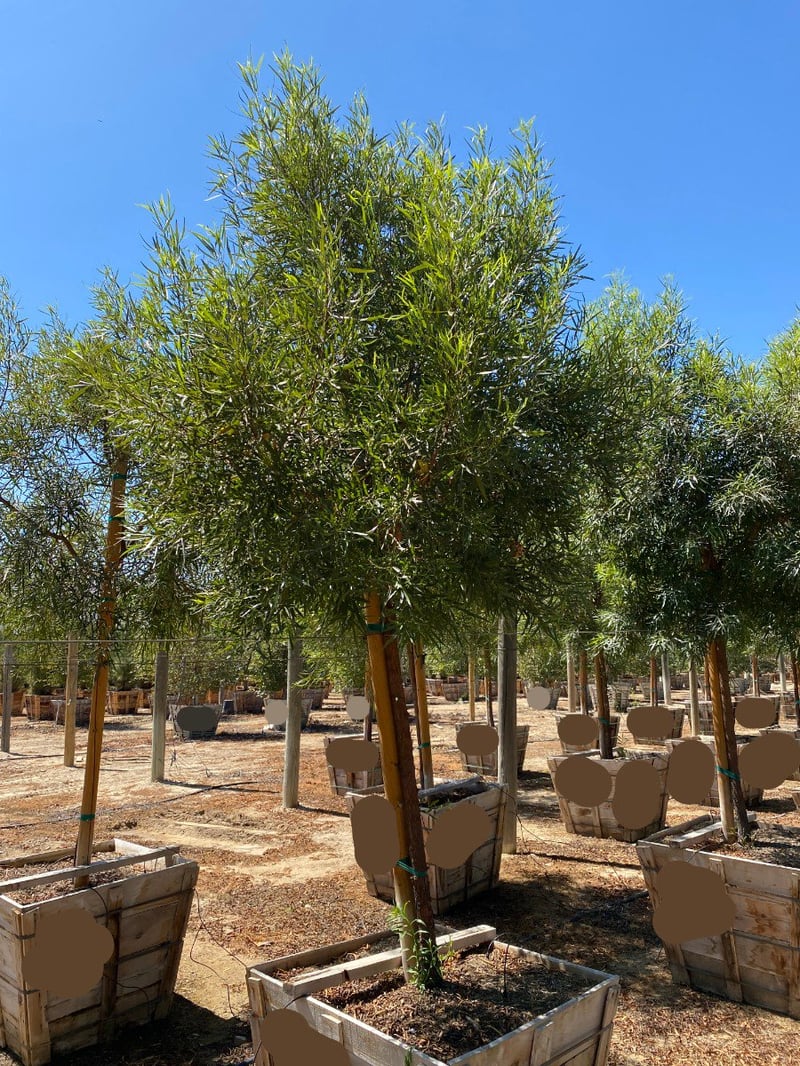
    Photo for Rhus lancea (African Sumac)

    Rhus lancea (African Sumac)

    View