Shopping for a full project?
Send your list insteadGrevillea robusta - Silky Oak
Add item to quote to see pricing
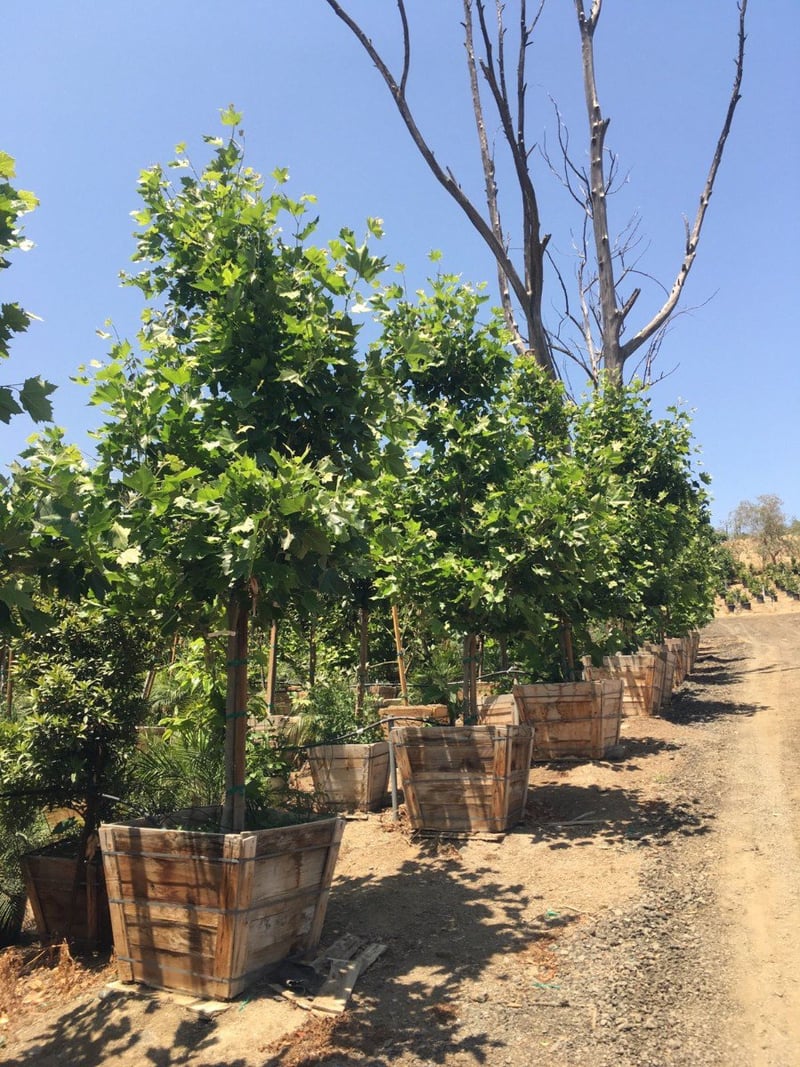
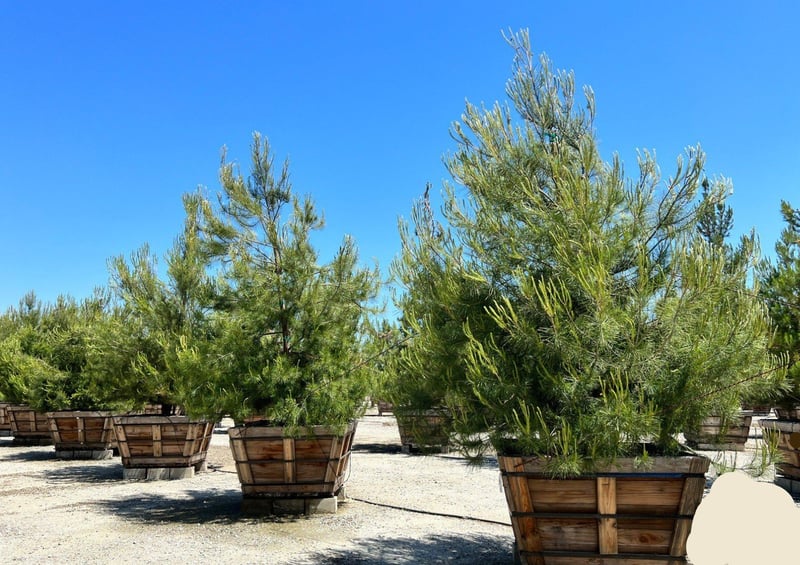
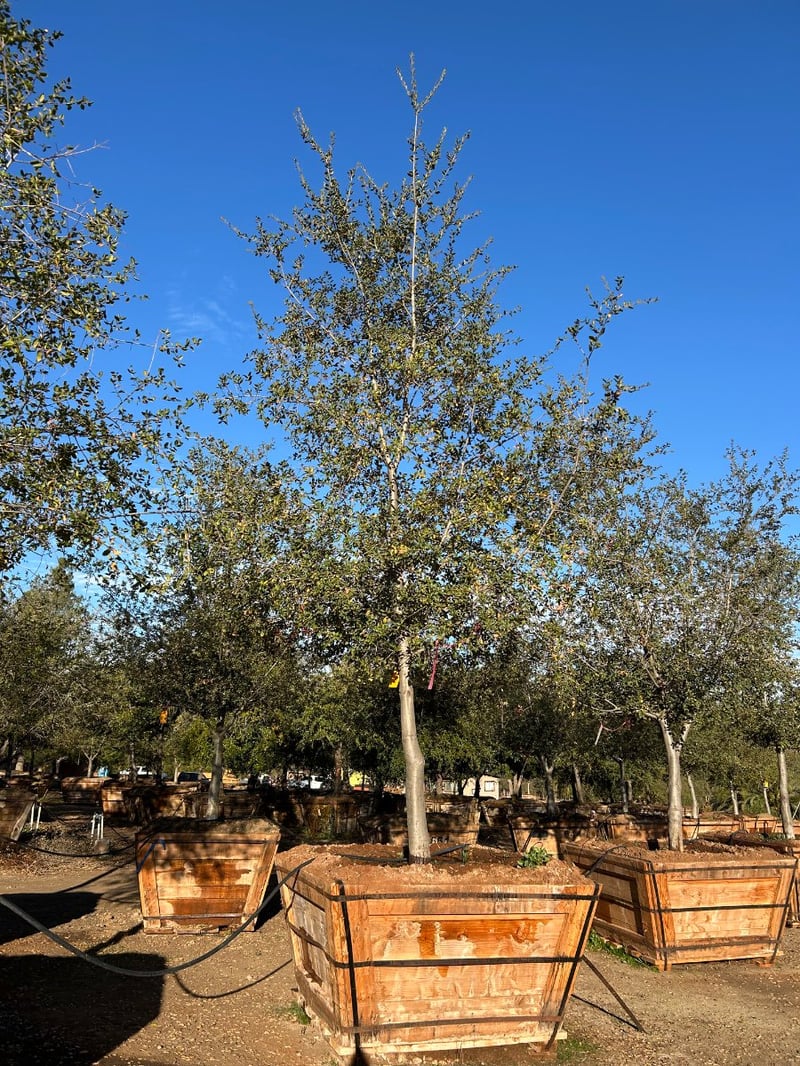
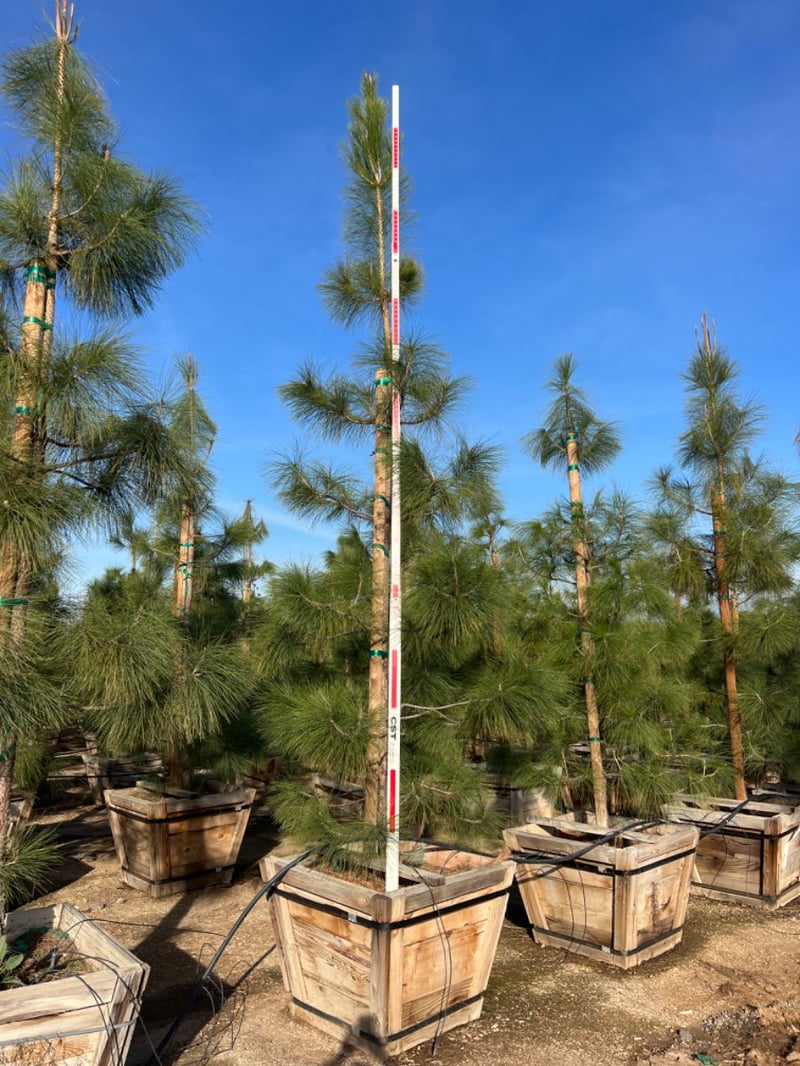
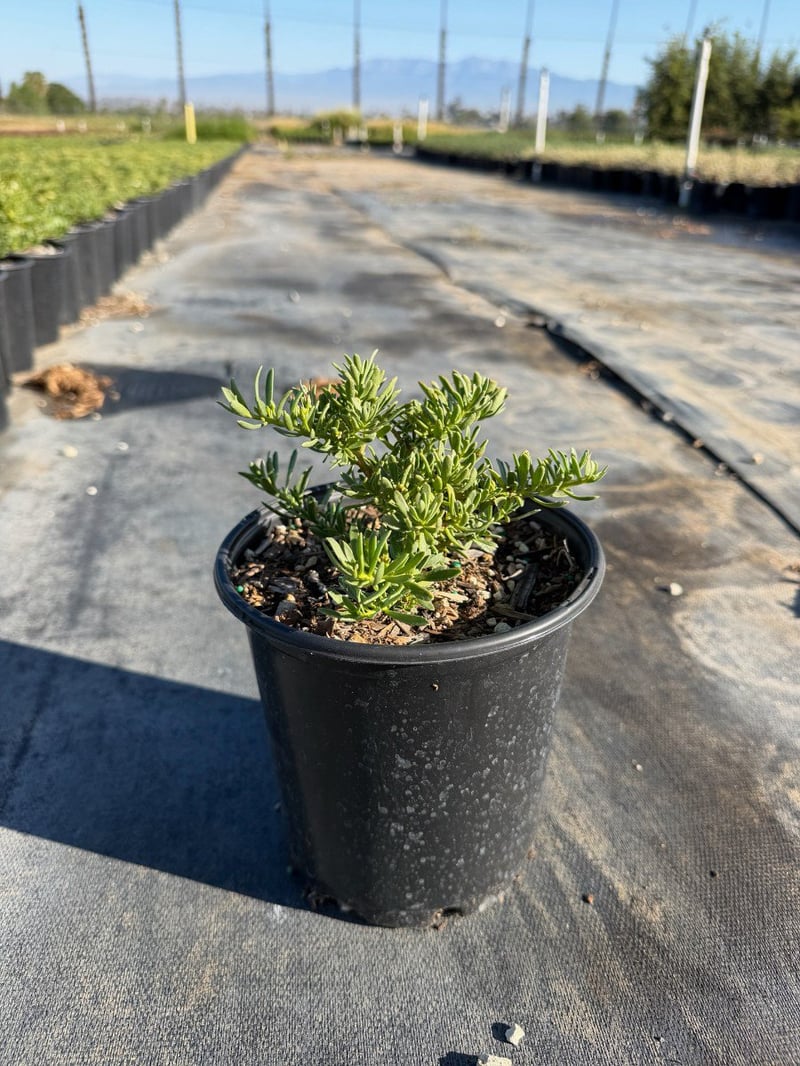
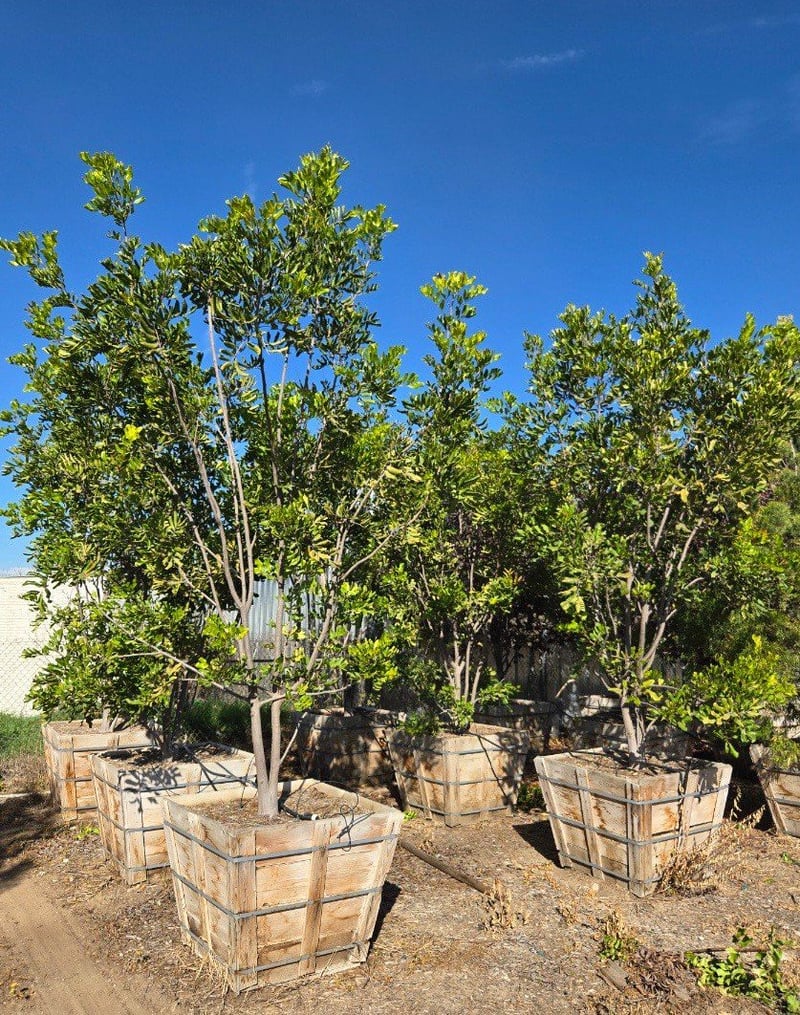
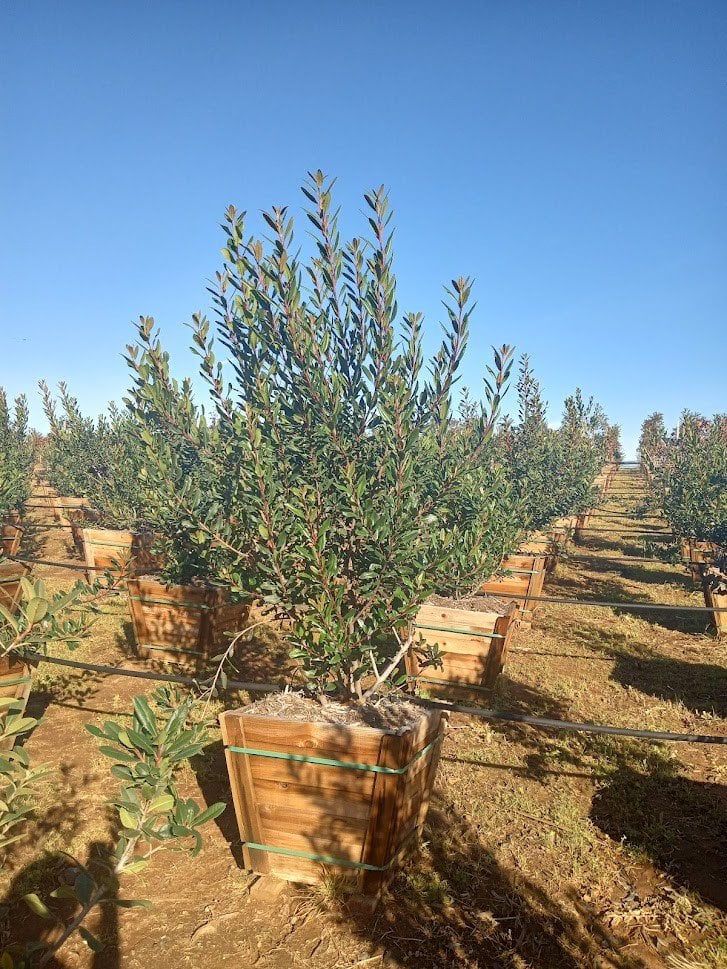
Grevillea robusta is an evergreen visually arresting specimen, commonly known as the Silky Oak. This fast-growing Australian native presents a unique blend of aesthetics and functionality with its tendrils of fine, silver-grey foliage that resemble fern leaves, offering year-round visual interest. Come springtime, the tree erupts into a spectacular display of golden-orange flower clusters, which not only enhance its ornamental beauty but also serve as a magnet for various birds and insects. Standing impressively tall at up to 100 feet, the Silky Oak shines its best in full sun and well-drained soils but exhibits commendable tolerance towards drought, only requiring occasional watering during dry spells. Despite its outstanding features, it's important to note that all parts of this tree are toxic if ingested and may cause skin irritation. So, while its resilience makes it seamlessly adapt to large landscapes and parks, and its large canopy serves as an excellent windbreak or shade tree, its beauty should be admired from a distance. In essence, the Silky Oak effortlessly combines fast growth, aesthetic appeal, and environmental resilience, making it a desirable addition to many landscapes.