Shopping for a full project?

Send your list instead
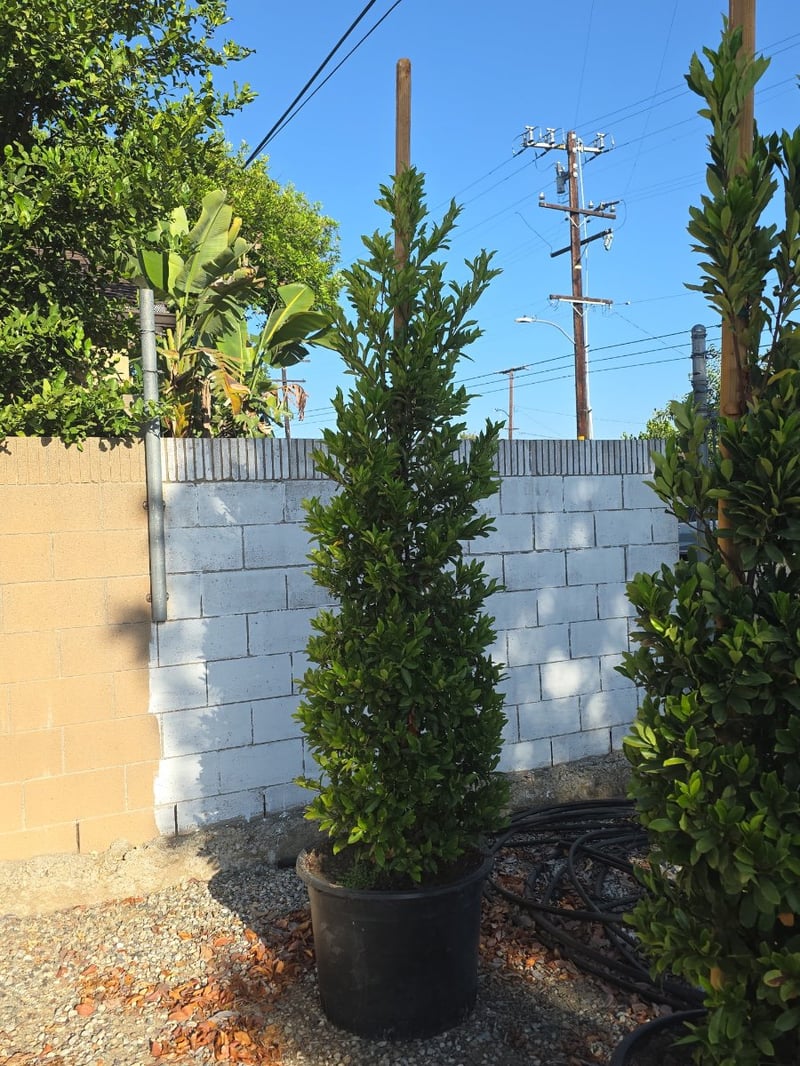
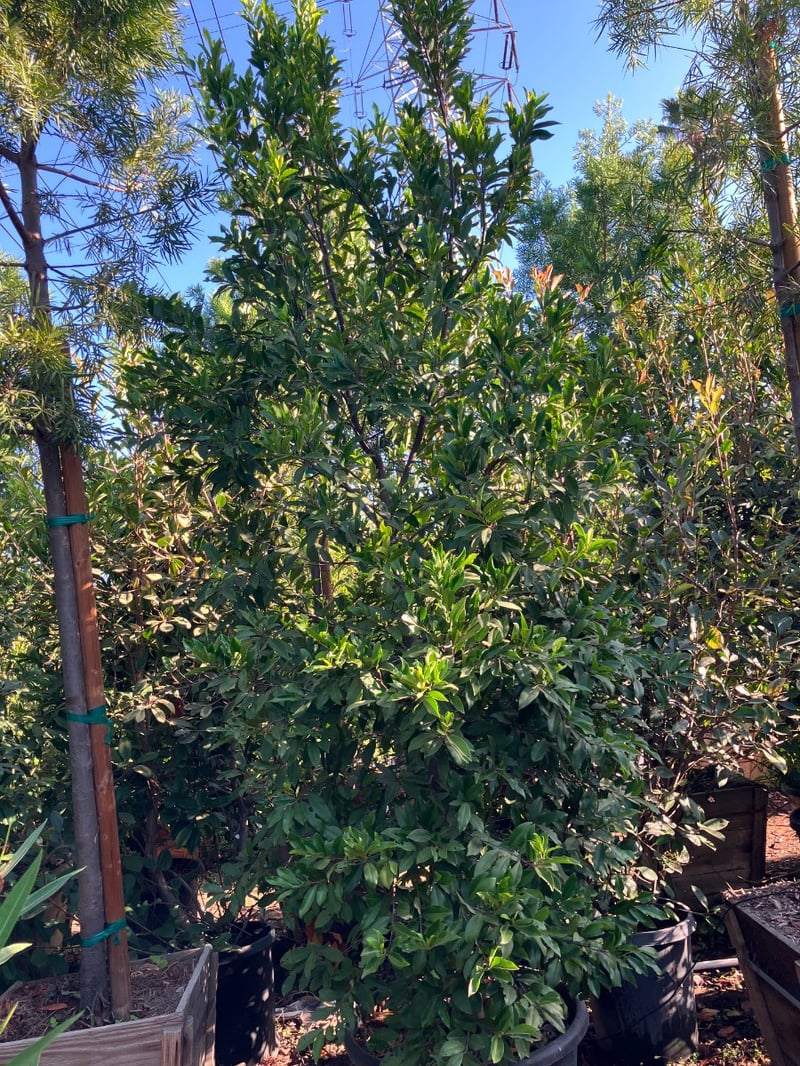
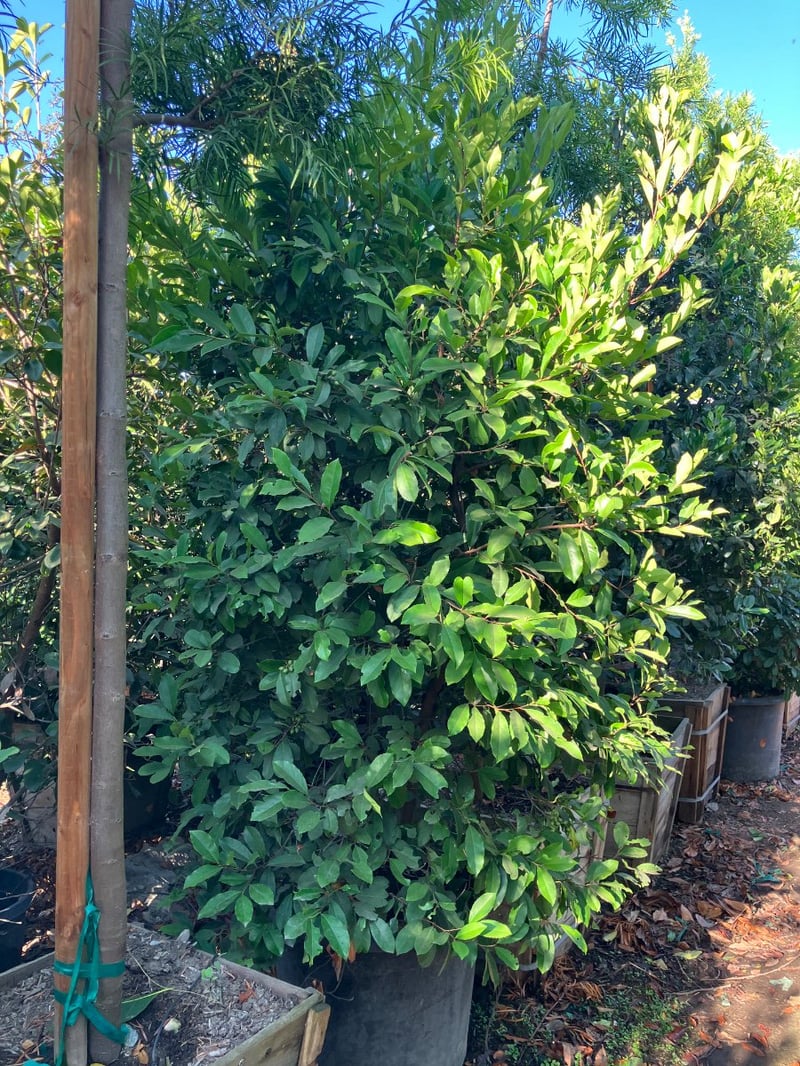
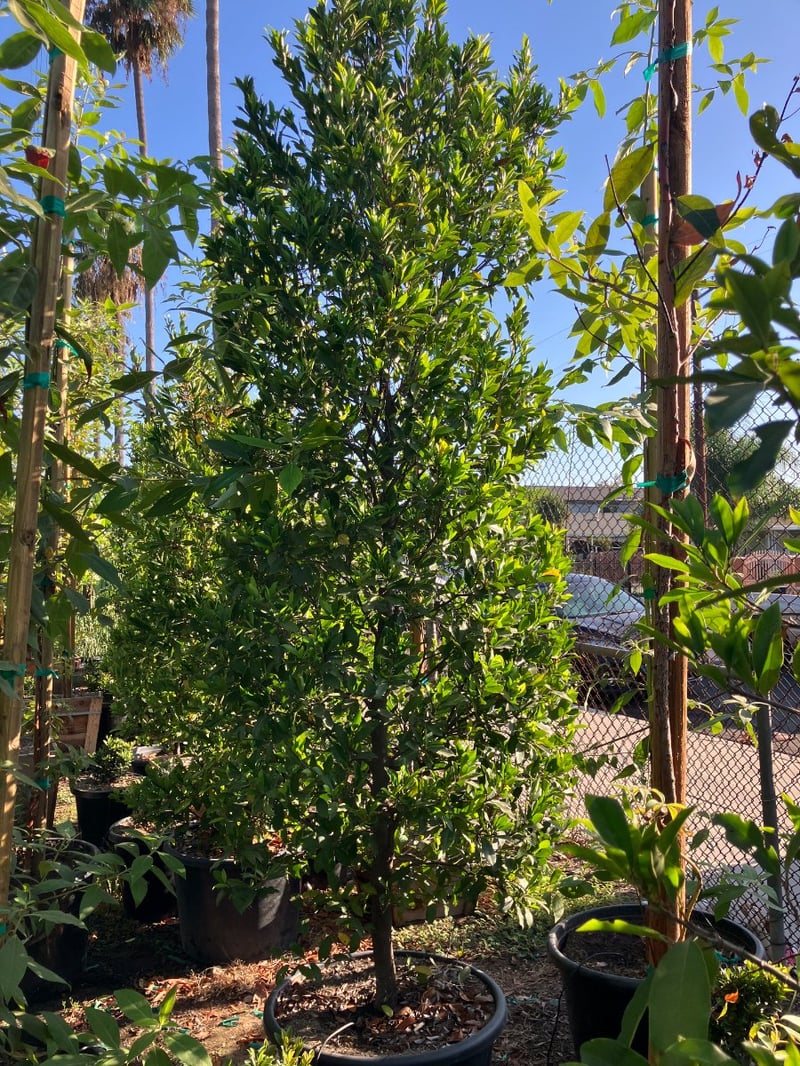
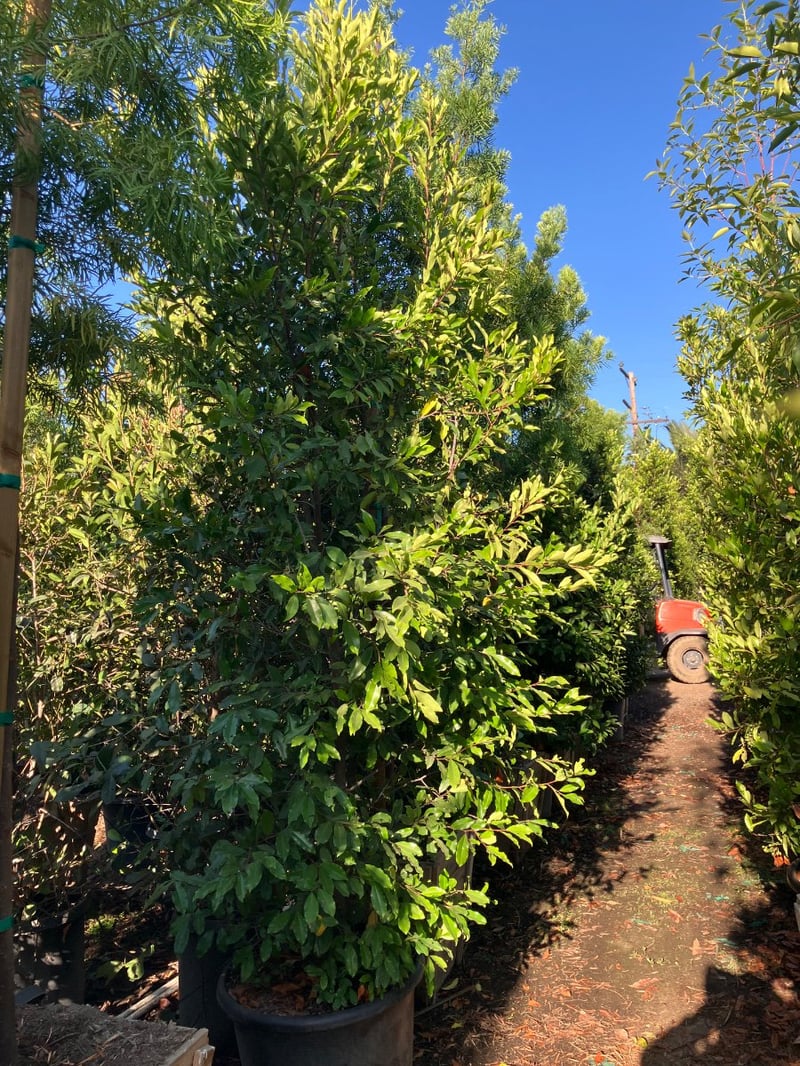
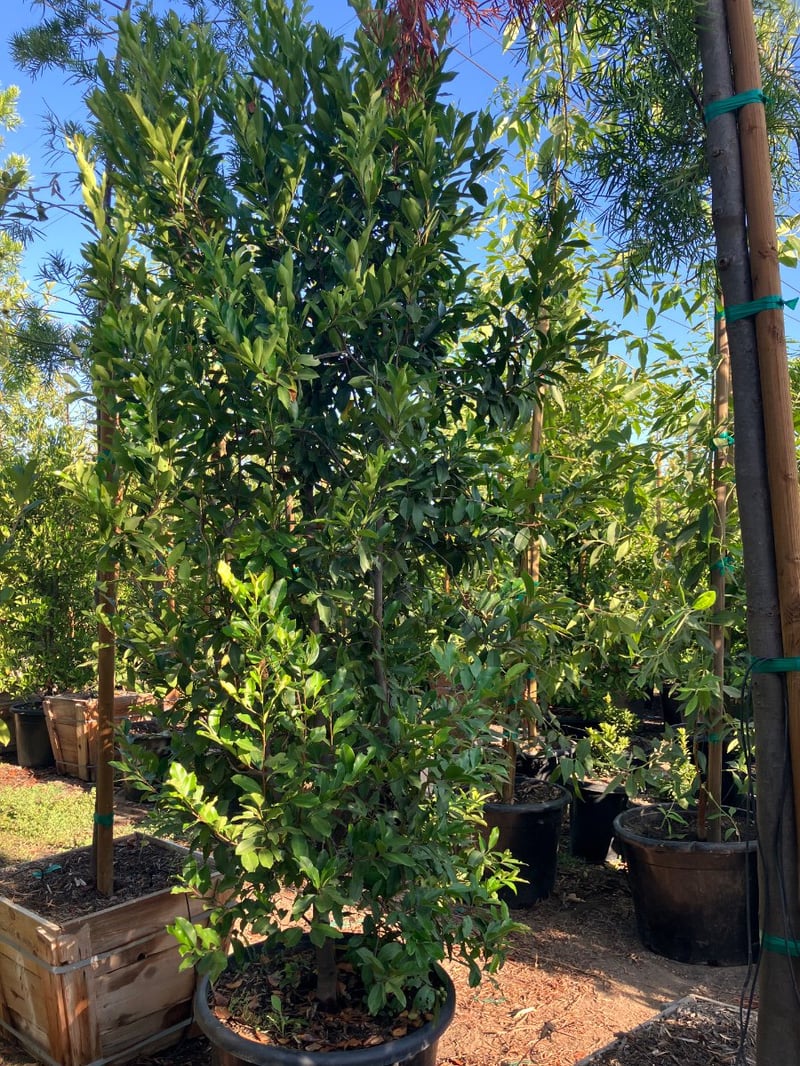
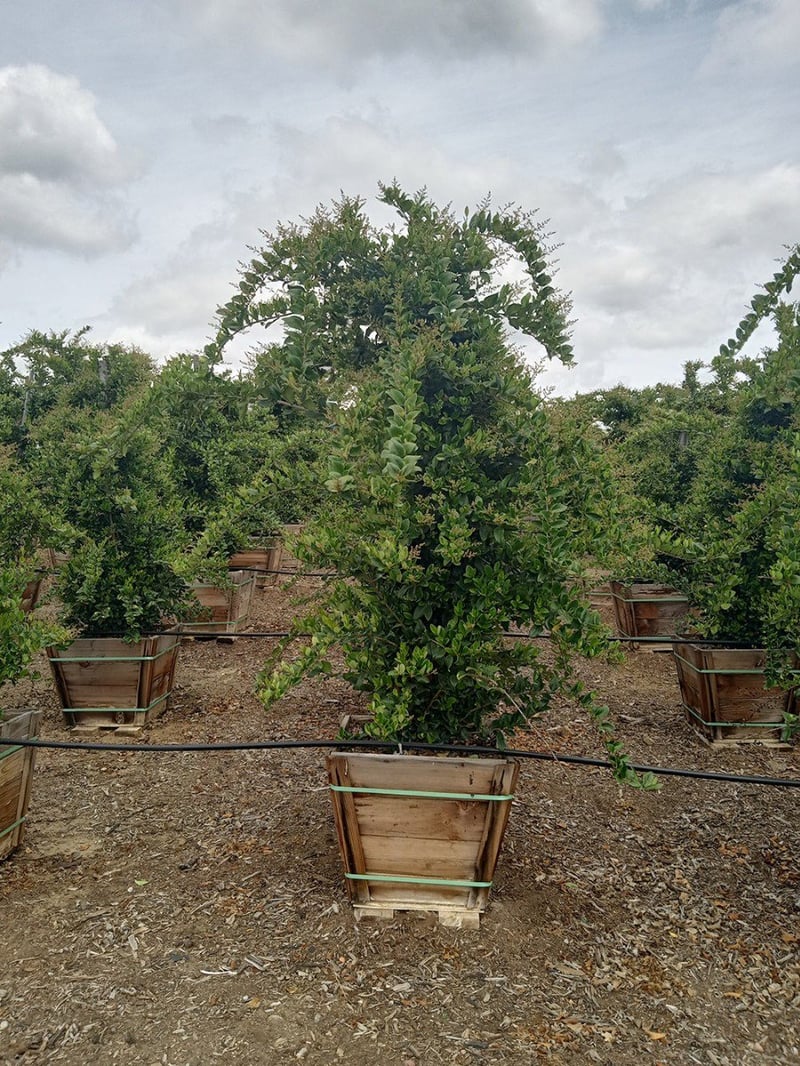
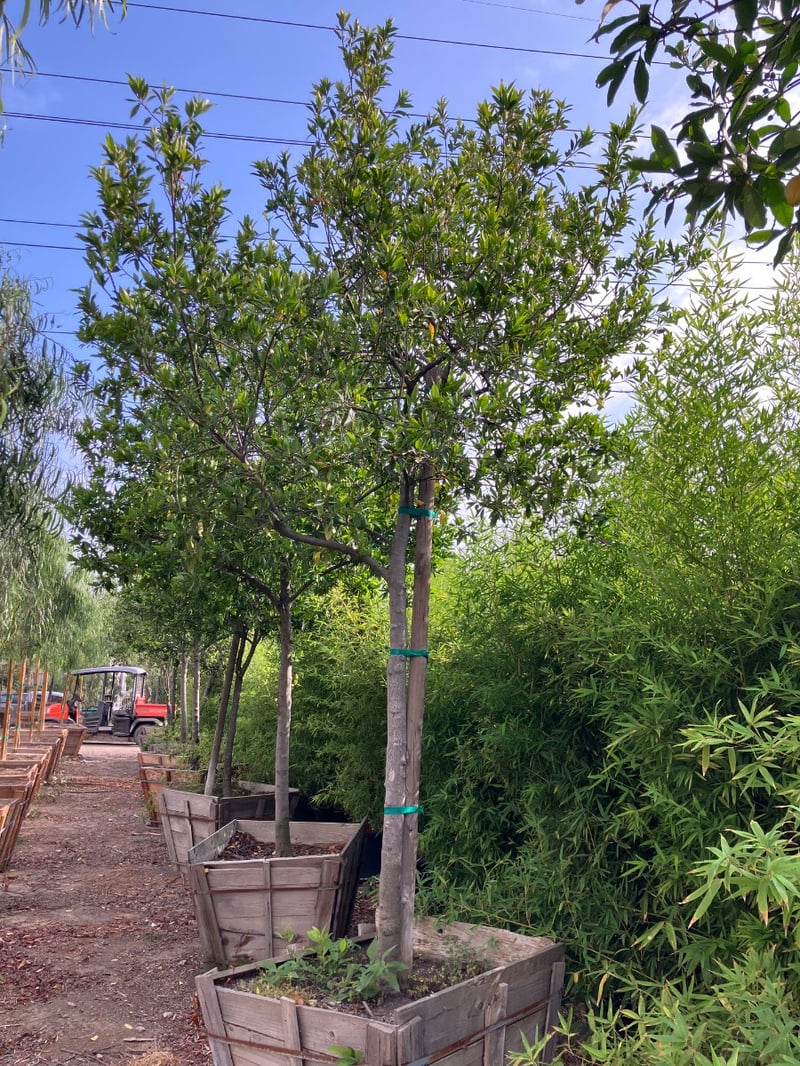
Photo for Prunus caroliniana (Column) (Carolina Cherry Laurel)Photo for Prunus caroliniana (Column) (Carolina Cherry Laurel)Photo for Prunus caroliniana (Column) (Carolina Cherry Laurel)Photo for Prunus caroliniana (Column) (Carolina Cherry Laurel)Photo for Prunus caroliniana (Column) (Carolina Cherry Laurel)Photo for Prunus caroliniana (Column) (Carolina Cherry Laurel)

Prunus caroliniana (Column) - Carolina Cherry Laurel

Add item to quote to see pricing

Prunus caroliniana (Column) is an impressively adaptable and resilient plant, often heralded as the Carolina Cherry Laurel. Boasting a compact, columnar silhouette, this evergreen shrub from the Rosaceae family steals the show with its glossy, dark green foliage and delicately fragrant clusters of white flowers that bloom in the spring. Originating from the southeastern United States, it stands as a testament to hardiness and versatility, thriving in an array of soil types and climates, and displaying a preference for full sun to partial shade. With a potential height of up to 20-30 feet and a preference for low water consumption once established, the Carolina Cherry Laurel is the epitome of low-maintenance beauty. When spring transitions to summer, this shrub reveals another captivating trick up its sleeve - small, dark cherry-like fruits that are as appealing to birds as they are to the eye. With its distinctive shape and dense growth, this shrub plays a crucial role in creating privacy screens, windbreaks, or hedges. However, while its berries attract the wildlife, caution is advised as all parts of the plant contain hydrocyanic acid and can be harmful if consumed. Discover the joy and ease of integrating the Carolina Cherry Laurel into your landscape.
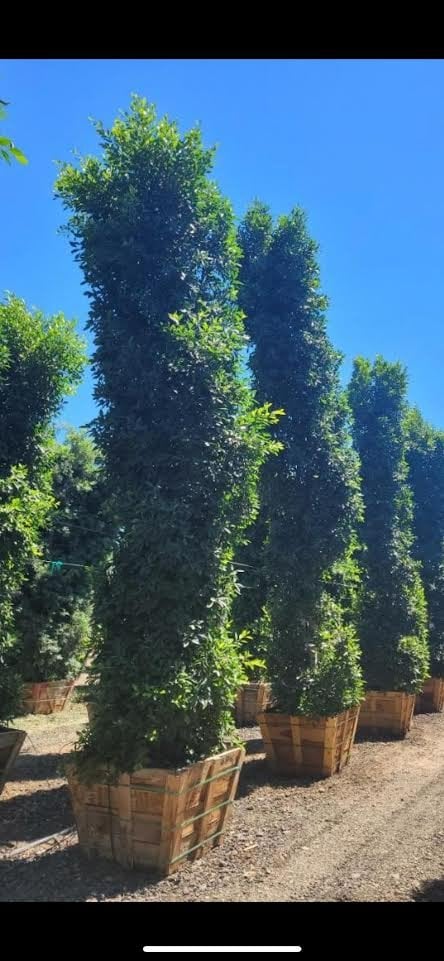
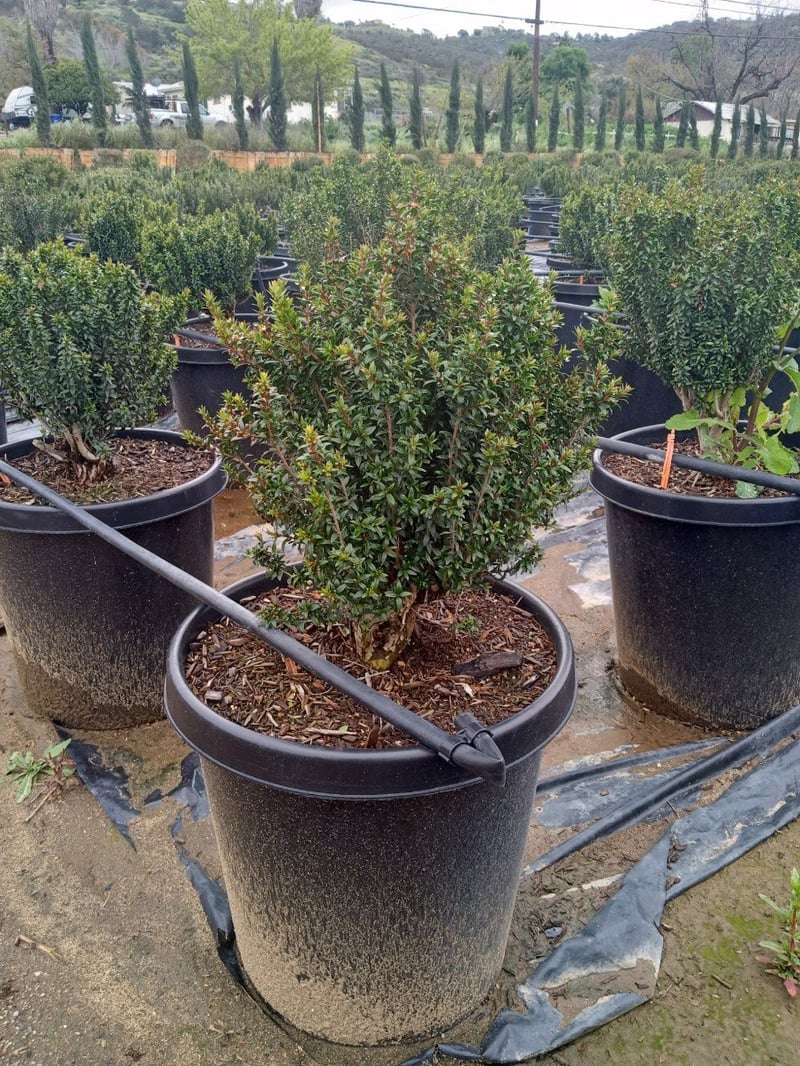
  • Size: Up to 20-30 feet tall
  • Flowers: Fragrant, small white clusters
  • Foliage: Glossy, dark green leaves
  • Water usage: Low once established
  • Sun exposure: Full sun to partial shade
  • Wildlife: Berries attract birds
  • Use: Effective for privacy screens, hedges, or windbreaks.
  • Commonly purchased with Prunus caroliniana (Column) (Carolina Cherry Laurel)

    Photo for Ficus microcarpa nitida (retusa) (Indian Laurel)

    Ficus microcarpa nitida (retusa) (Indian Laurel)

    View
    Photo for Myrtus communis 'Compacta' (Dwarf Myrtle)

    Myrtus communis 'Compacta' (Dwarf Myrtle)

    View
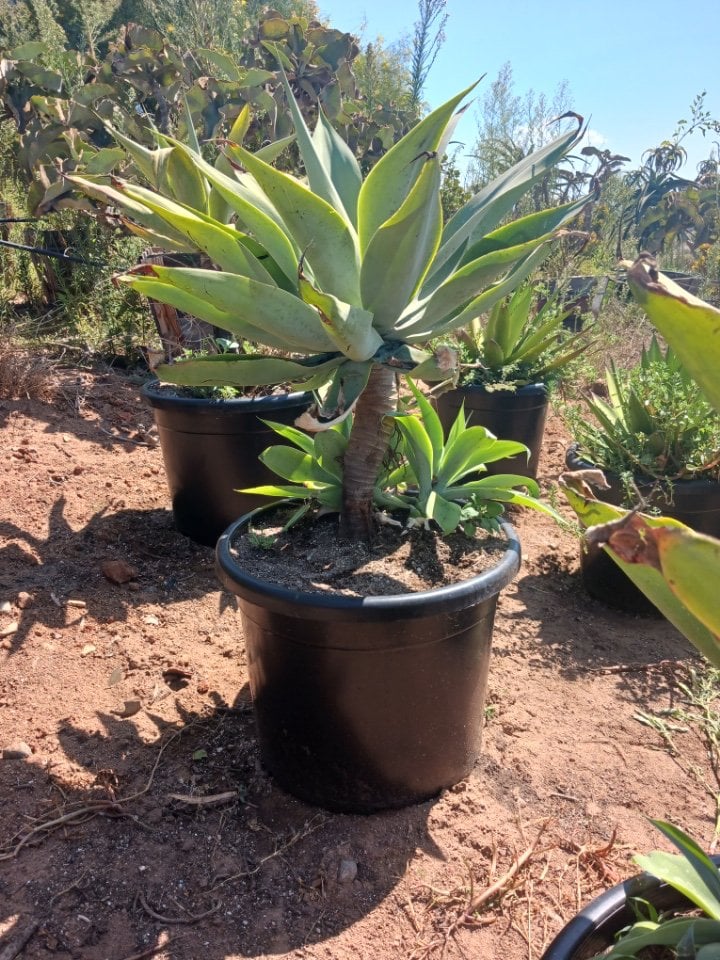
    Photo for Agave attenuata (Fox Tail Agave)

    Agave attenuata (Fox Tail Agave)

    View
    Photo for Ligustrum japonicum 'Texanum' (Waxleaf Privet)

    Ligustrum japonicum 'Texanum' (Waxleaf Privet)

    View
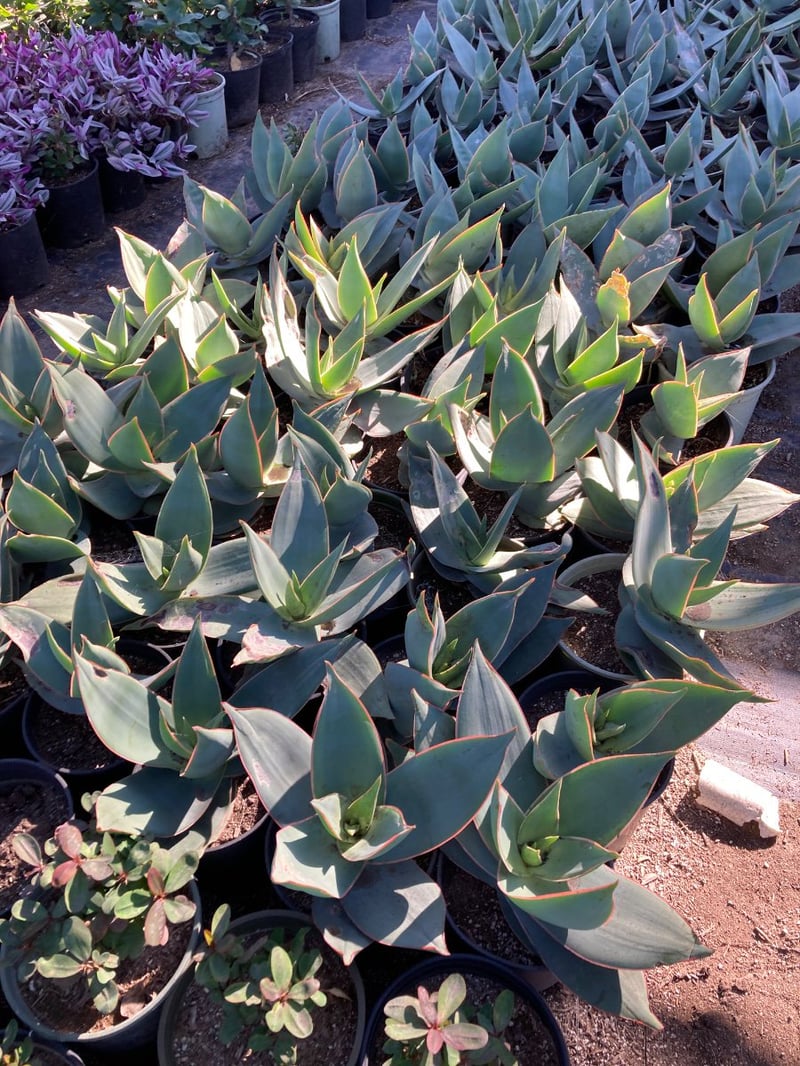
    Photo for Aloe striata (Coral Aloe)

    Aloe striata (Coral Aloe)

    View
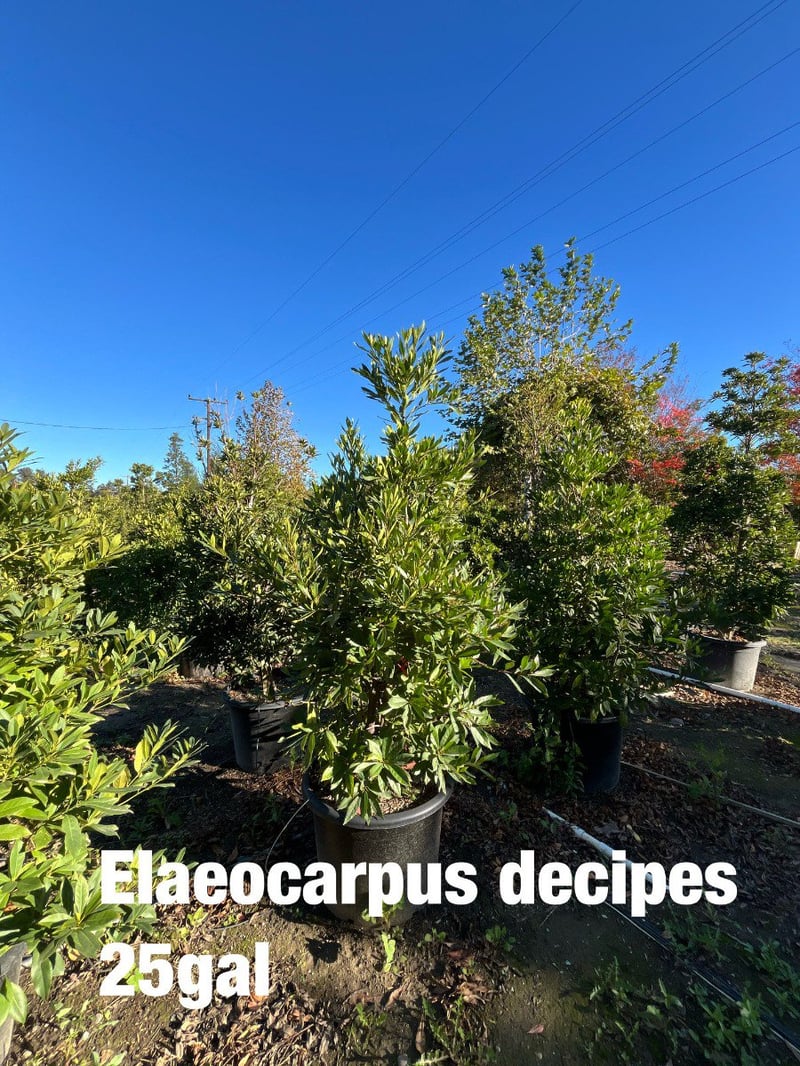
    Photo for Elaeocarpus decipiens (Column) (Japanese Blueberry Tree)

    Elaeocarpus decipiens (Column) (Japanese Blueberry Tree)

    View
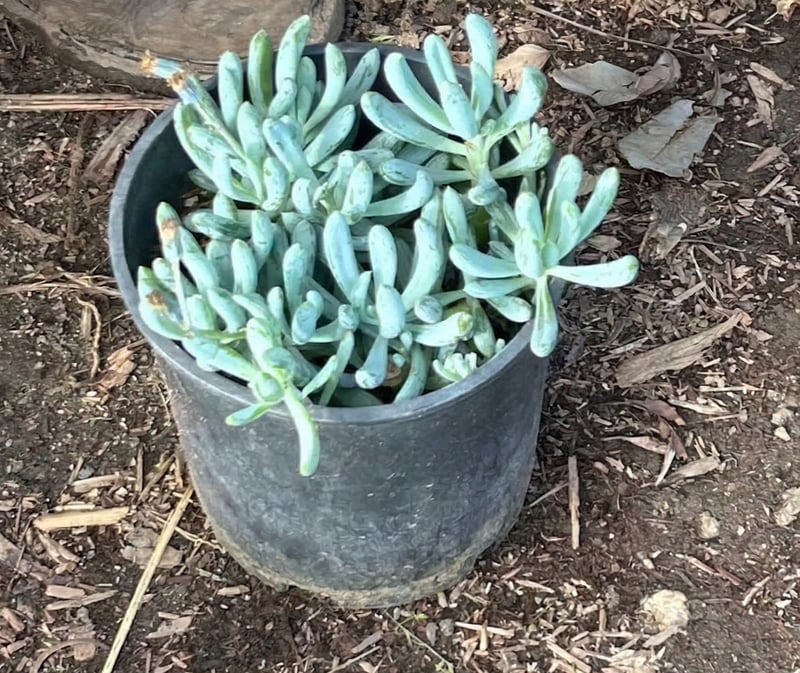
    Photo for Senecio serpens (Blue Chalksticks)

    Senecio serpens (Blue Chalksticks)

    View
    Photo for Aeonium urbicum 'Salad Bowl' (Salad Bowl Saucer Plant)

    Aeonium urbicum 'Salad Bowl' (Salad Bowl Saucer Plant)

    View